Intermittent Fasting: What the Evidence Actually Says
Intermittent fasting has been through several cycles of hype since it entered mainstream health culture, and it has generated enough opinion on both sides to make it difficult to assess clearly. The truth, as is often the case, is more nuanced than either the enthusiasts or the critics suggest — and understanding that nuance is particularly relevant for busy parents in their thirties, forties, and fifties who are training at intensity and trying to manage body composition alongside a complicated life.
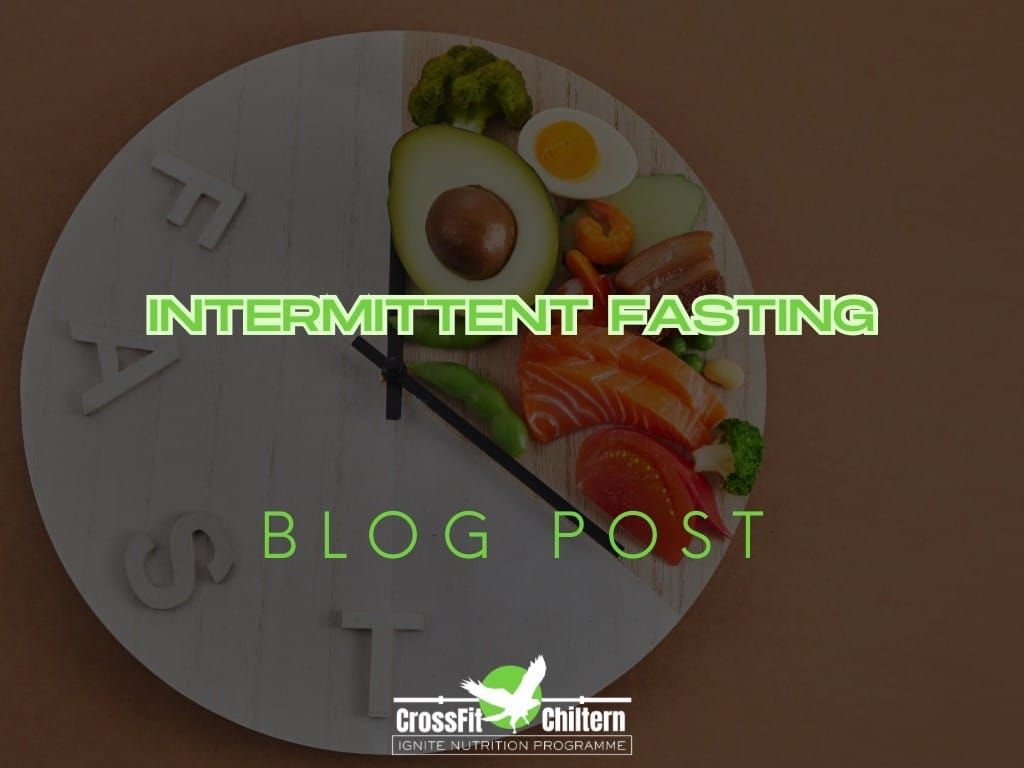
First, what intermittent fasting is. It is a pattern of eating — not a diet in the sense of controlling what you eat, but a structure that controls when. The most common protocol is 16:8: a sixteen-hour fasting window followed by an eight-hour eating window, typically from midday to eight in the evening. Other protocols exist — 5:2, alternate day fasting, extended fasting — but 16:8 is the version most accessible to people with normal professional and family lives.
The proposed mechanisms are genuine and grounded in solid science. During the fasting window, insulin levels drop as glucose is cleared from the bloodstream, which allows the body to transition toward fat oxidation as a primary fuel source. Autophagy — the cellular process by which the body identifies and recycles damaged cellular components — is upregulated during fasting periods, which has genuine implications for longevity and metabolic health. Ghrelin, the appetite hormone, adapts to the eating window over time, which means biological hunger aligns with the window rather than fighting against it for most people after two to three weeks.
Where the evidence becomes more complicated is in the context of athletic performance and muscle retention. The work on fasting and metabolic health is compelling in a clinical, non-athletic population. For people training at significant intensity — which most CrossFit athletes are — the picture is more nuanced. Muscle protein synthesis requires a sustained supply of amino acids, and a sixteen-hour fasting window necessarily compresses the available window for protein distribution across the day. For someone consuming 160 grams of protein daily, getting an adequate distribution across three or four meals in an eight-hour window is achievable but requires deliberate planning. It also means training in the fasted state if morning sessions are a preference, which is manageable for lower-intensity work but genuinely suboptimal for high-intensity sessions.
Dr. Stacy Sims's research adds an important dimension for female athletes specifically. The hormonal context of training for women — particularly around the menstrual cycle and during perimenopause — means that extended fasting can disrupt cortisol and oestrogen regulation in ways that are counterproductive to both performance and recovery. The current evidence suggests that female athletes should be cautious with extended fasting protocols, particularly in the second half of the menstrual cycle.
The honest assessment for a busy parent who is training consistently: intermittent fasting can be a useful tool for simplifying nutrition decisions and supporting body composition goals, but it is not a substitute for adequate protein intake and should be structured around training, not the other way around. If your morning session is at six, eat before or shortly after. If you train in the evening, the 16:8 window from noon to eight works reasonably well. And if the compression of your eating window is causing you to under-eat protein, the fasting is working against your training.
Tools are useful when applied correctly. Intermittent fasting is a tool.
Our Ignite Nutrition Programme — led by Dr. Amy George, GP, CrossFit Level 1 coach and HSN Nutrition coach — covers all six pillars in a structured, supported environment. Book your Discovery Call at crossfitchiltern.com.