The Stress Vaccine: How Hard Training Makes Life Feel Easier
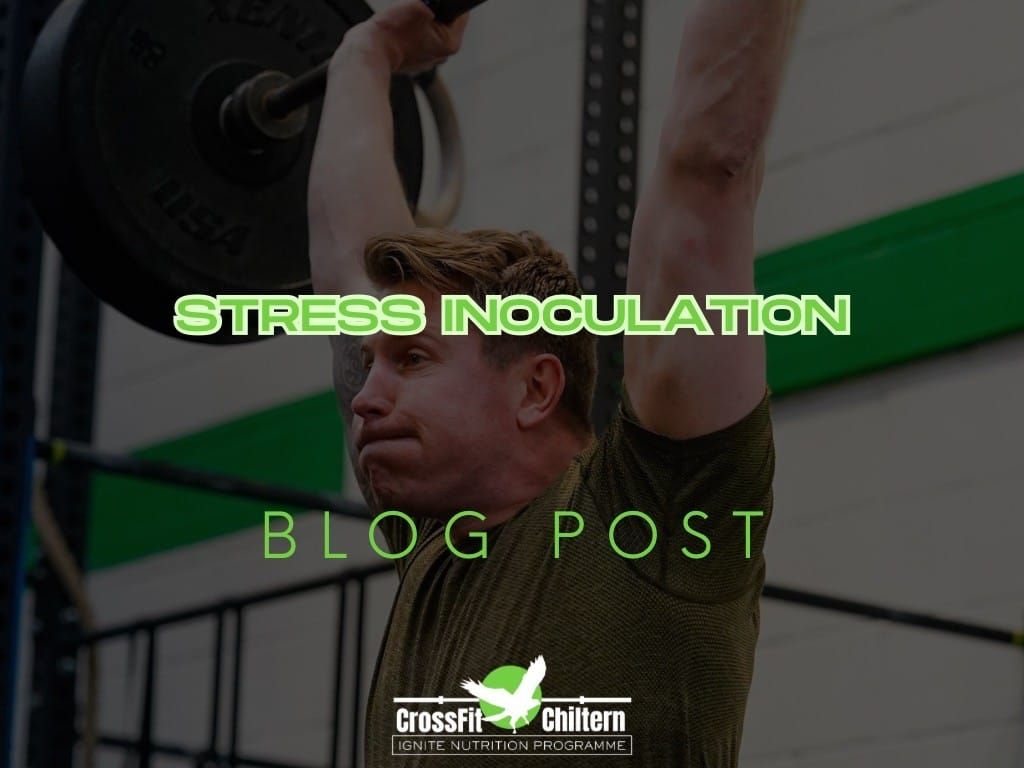
There is a reason people who train consistently at intensity tend to handle pressure differently. Not because they are tougher by nature, or because they have adopted some mindset philosophy, but because something is happening at a neurological and physiological level that changes how the body and brain respond to stressors. Understanding this mechanism is useful — both because it explains why training feels the way it does in the moment, and because it reframes the purpose of hard workouts beyond the purely physical.
The concept is stress inoculation, and it works in the same way as a vaccine. Deliberate, controlled exposure to a stressor — in this case, the metabolic, cardiovascular, and psychological stress of a hard training session — triggers an adaptive response in the nervous system. The hypothalamic-pituitary-adrenal axis, which governs the cortisol and adrenaline response to stress, becomes more efficient at mounting, managing, and recovering from a stress response. Over time, the threshold at which that system activates rises, and the recovery time from activation shortens. In plain terms, the same level of external pressure that would previously have triggered a full stress response — the difficult meeting, the delayed train, the Sunday evening dread — produces a more measured reaction.
The neuroscience here involves the prefrontal cortex, which is responsible for rational decision-making and emotional regulation, and the amygdala, which generates the threat response. Under acute stress, the amygdala can effectively hijack the prefrontal cortex — the feeling of being unable to think clearly when you are under pressure. Regular exposure to controlled physical stress appears to strengthen the prefrontal cortex's ability to regulate the amygdala's response, which is why experienced athletes often describe feeling calm in situations that would previously have destabilised them. BDNF — brain-derived neurotrophic factor, which is released during intense exercise — plays a direct role in maintaining and growing the neural connections underpinning this regulation.
There is also a cardiovascular component. Heart rate variability — HRV — is the best single indicator of autonomic nervous system health, specifically the balance between sympathetic and parasympathetic activity. Regular high-intensity training, followed by adequate recovery, consistently improves HRV over time. A higher resting HRV indicates a nervous system that is more resilient — better able to respond to demand and return to baseline efficiently. This is measurable, trackable, and directly relevant to how you perform under pressure in every context, not just the gym.
The practical implication is worth sitting with. Every time you stay in a difficult workout when the instinct is to stop — every time you hold a pace that is uncomfortable, manage the breathing under load, or get back on the bar when you want to put it down — you are training a response that transfers. The discipline developed under the timer is the same discipline that holds a professional under pressure. The composure developed mid-WOD is the same composure that handles a difficult conversation without reactivity.
This is not motivational language. It is a description of a neurological adaptation that occurs when you consistently expose yourself to controlled, recoverable stress and then let the system recover fully. The training and the life are not separate domains.
[Make the CTA). Learn more. Book a Discovery Call today. (Do this for all)