Kids & Teens: The Science of building confidence with a barbell
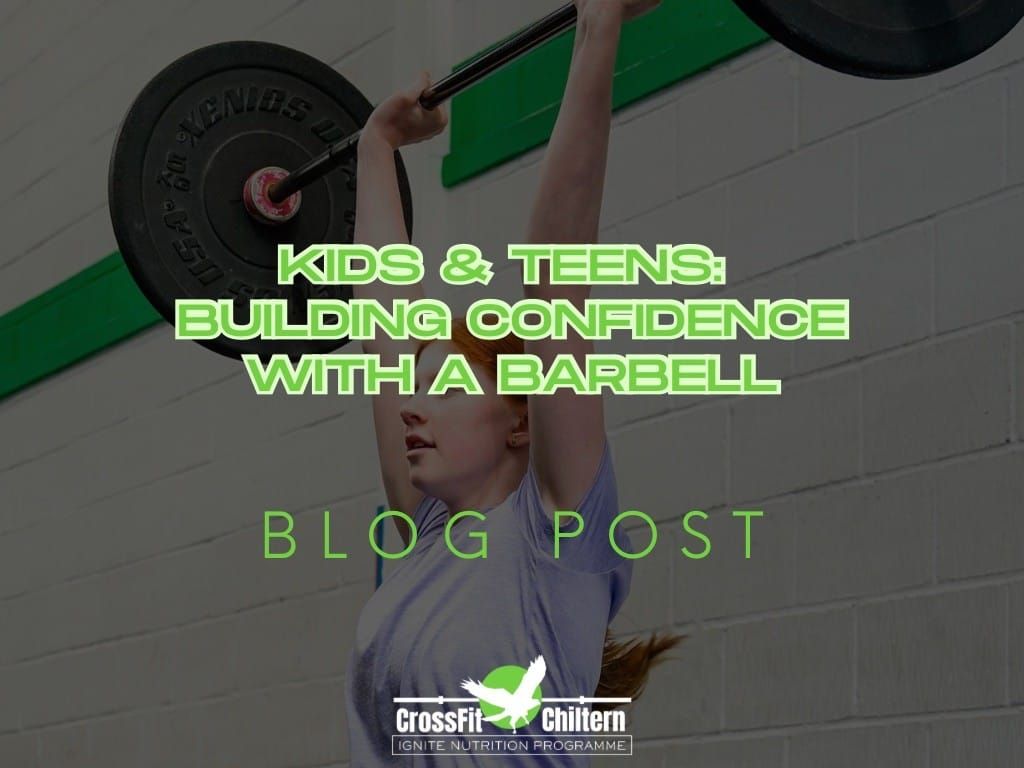
Confidence is not something children either have or don't have. It is a skill — developed through repeated exposure to challenge, managed failure, and the experience of doing something they did not think they could do. The environment in which that development happens matters enormously, and a well-coached strength and conditioning session for young athletes is one of the most effective confidence-building contexts available to a parent.
The mechanism is worth understanding. Confidence — the genuine kind, not bravado — is built through a process that psychologist Albert Bandura called self-efficacy: the belief in one's own capacity to succeed at a specific task. Self-efficacy is not a generalised sense of self-worth. It is domain-specific and task-specific, and it is built almost exclusively through mastery experiences — actually doing the thing, under appropriate challenge, and succeeding. Praise without achievement does not build it. Encouragement alone does not build it. The experience of putting a loaded barbell back on the rack having completed the movement does.
Physical challenge is a particularly powerful context for self-efficacy development in children and adolescents for a specific reason: the feedback is immediate, objective, and unambiguous. In academic or social contexts, success can be hard to define and harder to feel. In a coached movement context, the squat either hits depth or it doesn't. The pull-up either clears the bar or it doesn't. The kettlebell either moves or it stays on the floor. There is no interpretation required. The child knows when they have done it, and the body remembers.
What happens neurologically is relevant here. The brain's dopamine reward system responds to the experience of overcoming resistance — literally and figuratively. When a young athlete attempts something challenging, struggles with it, and then achieves it, the dopamine release associated with that mastery is more significant than the release from tasks that were straightforward. The nervous system learns that challenge is manageable and that effort produces outcome. This is the neurological foundation of resilience, and it is far more durable when built through physical experience in adolescence than when retrofitted in adulthood.
The physical environment of the gym also matters in ways that are less obvious. At CrossFit Chiltern, our Kids & Teens sessions are structured around group achievement rather than individual comparison. Athletes cheer each other through difficult sets. The child who completes their first pull-up does so in a room full of people who know what that took. This social scaffolding — oxytocin released through shared physical effort, a community that normalises challenge and effort — amplifies the self-efficacy development in ways that solo training cannot replicate.
For parents who are concerned about the social pressures their children navigate at school — the comparisons, the hierarchies, the anxiety that often peaks in the secondary school years — the gym is a context where the social currency is effort, not outcome. A child who does not make the football team can still be the hardest worker in the room. That experience of being valued for character rather than result recalibrates something important.
The confidence built under load is not confined to the gym. It transfers, consistently and measurably, into academic persistence, social situations, and the general willingness to attempt difficult things. The child who learns that their body is capable of more than they thought it was becomes an adolescent who applies that lesson elsewhere.
Book a free trial class for your child at crossfitchiltern.com — and see what properly coached movement looks like.