The Sit-to-Stand Test You Can Do Right Now
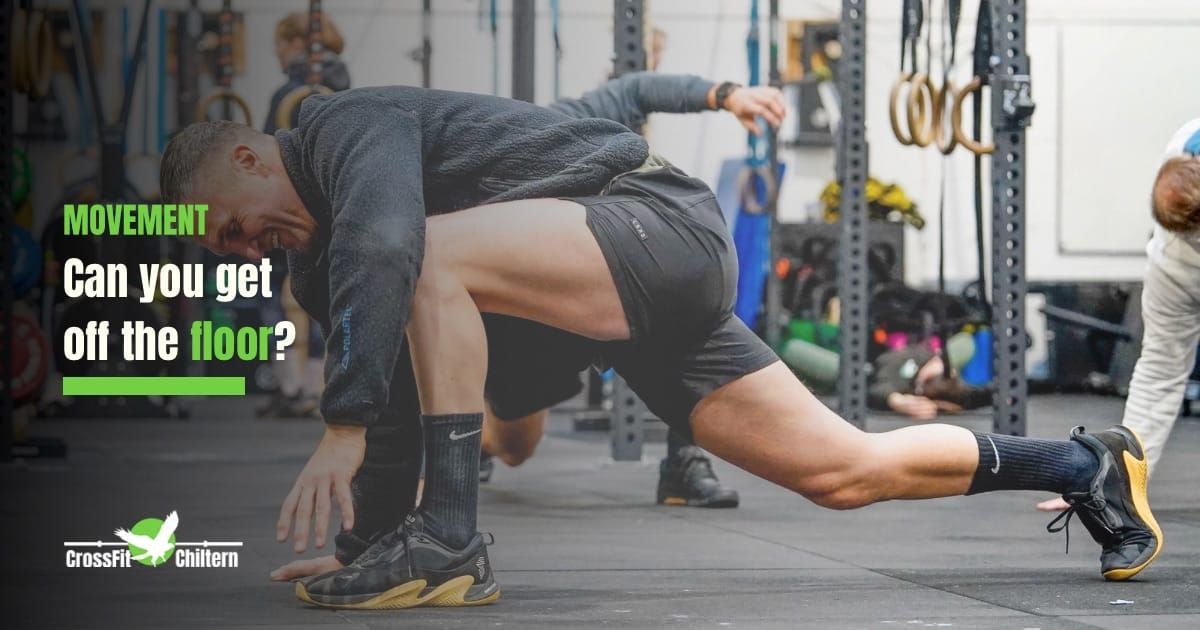
Stand up from a chair without using your hands. Now lower yourself to the floor and get back up, using as little support as you can. How that felt — easy, or a production involving the worktop, a wobble and a grunt — tells you more about how well you're going to age than almost anything on a set of scales. It's a thirty-second test you can do right now, and it's worth doing, because the thing it measures is the thing most people lose without noticing until it's gone.
What it's measuring is simple: lower-body strength, balance, and the ability to get yourself off the floor under control. These sound trivial at forty-five. They aren't. Getting up and down off the floor without help is one of the clearest markers researchers have for staying independent into your seventies, eighties and beyond. It bundles together everything that keeps you mobile: leg and core strength, balance, coordination, and the confidence to trust your own body. The thing that ends independence for a lot of older people isn't a single illness. It's a fall, and then not having the strength to get back up.
Fortunately it's trainable, and it responds fast. Strength and balance aren't fixed by your age — they're built by use, at any age. The reason a lot of people in their fifties already struggle with the floor isn't that they're old. It's that they stopped getting down to the floor years ago, and the pattern faded from disuse, not decay. Train it and it comes back, often quickly.
Treat the test as a baseline, then train the pattern that improves it. Squatting to a chair and standing back up. Learning to sit down to the floor and get up under control. Building the leg and hip strength that makes both feel effortless. This is the everyday capability good training is built around — not the way you look, but whether you can still do the human basics, decades from now, without a second thought.
If you tried the test and getting up was a real struggle, or anything hurt, that's a reason to get strong, not to feel bad.
The score that matters most in your later life is your ability to stay independent — and it's one of the few things you have real power to change.
If you'd like to train the strength that increases your health span for the long haul, book a free, no-obligation 15-minute chat with Jeremy or Beth at crossfitchiltern.com — no hard sell, and most of us hadn't trained in years when we started.