The Deadlift: Why It's the Most Honest Movement in the Box
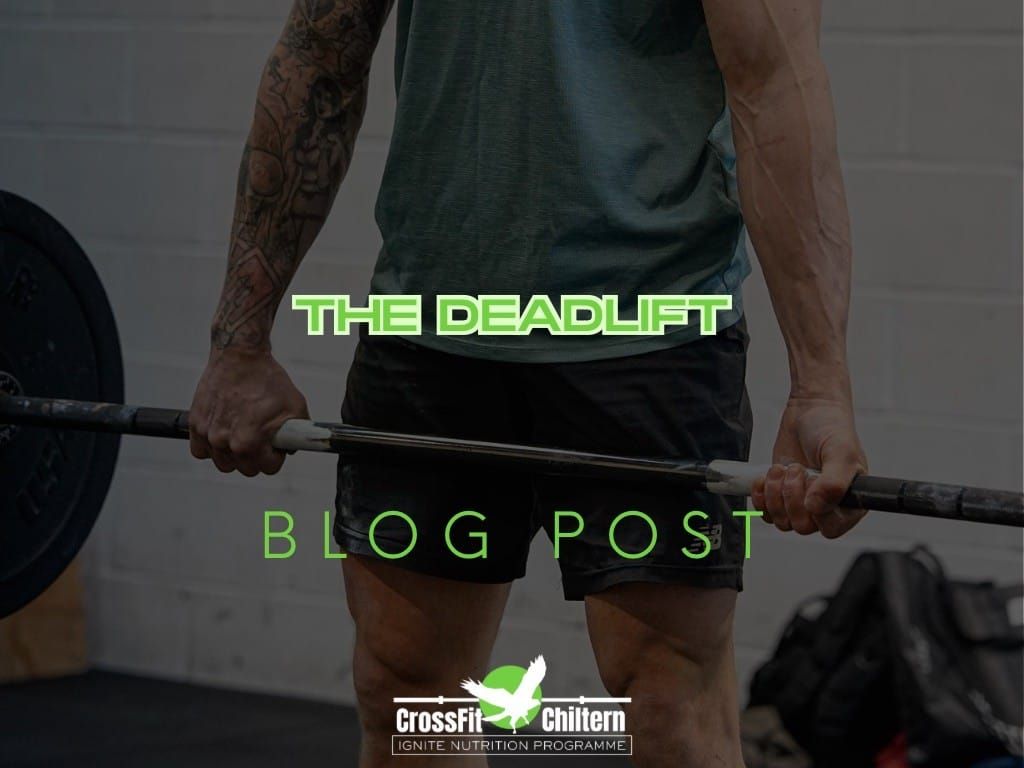
There is no hiding in a deadlift. The bar is on the floor. You either pick it up or you don't. There is no momentum to borrow, no machine to guide the path, no partner to assist the last few inches. It is you, the bar, and the floor.
This honesty is precisely what makes it valuable, and precisely why some people avoid it.
The deadlift is the most complete expression of posterior chain strength available. The hamstrings, glutes, erector spinae, and trapezius work to move a load from the floor to a standing position — the same pattern used to lift a child, carry shopping up a flight of stairs, move furniture, and perform every other real-world pulling task that daily life demands. No other single movement trains this chain as completely or as heavy.
The mechanics are worth understanding in detail because the deadlift is a movement where technique directly determines both safety and output. The setup is everything. The bar sits over the mid-foot — not against the shin, not a foot away from the body, but directly over the mid-foot when viewed from the side. The feet are hip-width apart. The grip is just outside the legs. Before any upward movement begins, the back is in neutral position the abdominals are braced to full rigidity, the lats pulled down and back to create tension through the shoulder girdle, the chest kept up. We start by taking the slack out of the bar — the moment before the pull where every muscle in the chain is loaded and braced..
The pull itself is a leg press, not a back pull. Think of pushing the floor away — the same motor pattern as a squat, but with the load in the hands rather than on the back. The hips and shoulders rise at the same rate until the bar passes the knee, at which point the hips drive forward to complete the extension and bring the athlete to a tall, locked-out standing position. The common error — the hips rising faster than the shoulders in the initial pull — loads the lumbar spine rather than the legs, and is the root cause of many deadlift-related back strains.
The deadlift is also the movement most likely to be avoided by people who have experienced lower back pain — which is, unfortunately, precisely backwards. A well-executed deadlift with appropriate load strengthens the posterior chain structures that protect the lumbar spine. Avoidance allows those structures to weaken further. The prescription for most non-acute lower back pain is not rest; it is graded loading of the posterior chain under technically sound conditions.
For the 35 to 55 year old professional who has spent a decade accumulating postural dysfunction from desk work — the rounded upper back, the anterior pelvic tilt, the weak glutes — the deadlift is the single most corrective strength movement available. It does not require a gym full of equipment. It requires a bar, some plates, and a coach who can see what your body is doing. Obviously there are cases where people should be mindful of loading, speed and volume. But if you don't deadlift then what happens when you need to pick up weight in the real world??
If you're ready to apply this properly, book a free Discovery Call at crossfitchiltern.com — we'll build a plan around your life, not a generic template.