The Squat: Why Everything Starts Here
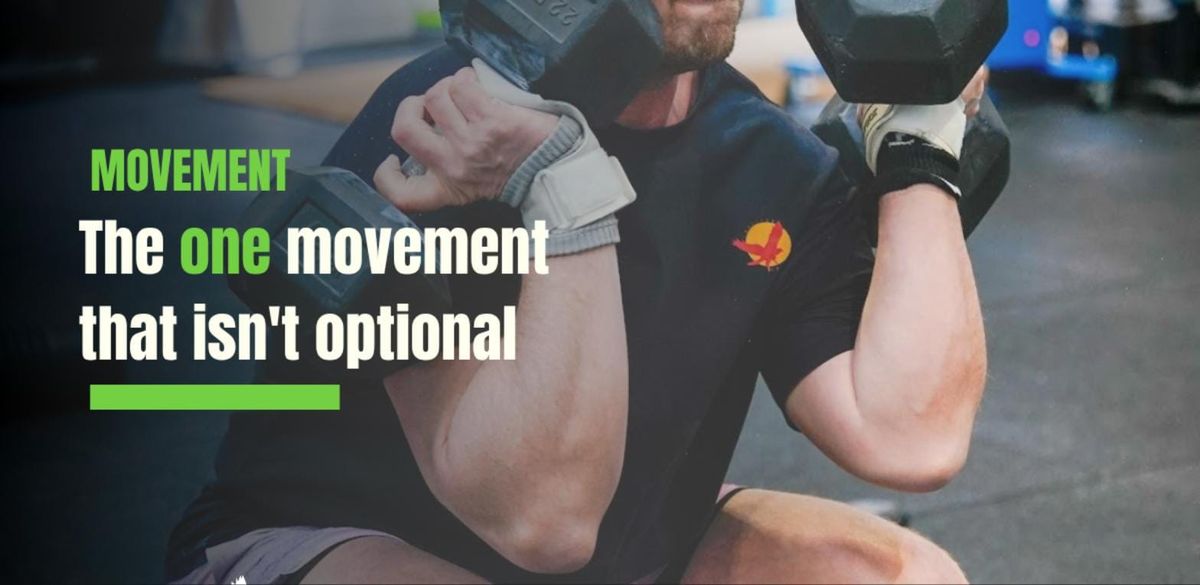
If you only ever trained one movement for the rest of your life, it would be the squat, and it wouldn't be close.
The squat is how you get out of a chair. Off the floor. Off a toilet, in and out of a car, up from the ground. The single event that most often ends an older adult's independence isn't a heart attack — it's a fall, a hip, or reaching the point of not being able to stand up unassisted. And standing up unassisted is a squat.
Everyone reading this can likely do that today. The question is whether you can still do it at eighty-five, and the answer is decided by what you do in your forties and fifties. Strength is lost with age unless you do something about it. Muscle you don't use is expensive tissue, and the body lets it go if it's unused. Loading the legs heavily and regularly tells the body to keep it.
Squat rules:
Depth first, and it's not negotiable. A squat where the crease of your hip goes below the top of your knee is a squat. A quarter squat with a big weight on it is a way of feeling strong while training a fraction of the range — and the range you don't train is the range you lose.
The box drill, tonight. Find a chair or box that puts you just below parallel when you sit. Squat down, touch it, stand up. Ten reps. Don't crash into it — three seconds down under control. That's a full-range squat with a safety net, and it's how we teach depth to most beginners.
Knees out, chest up, weight through the middle of the foot. If your heels lift, that's ankles, and it's fixable. If your knees collapse in, that's usually a strength issue in the hips, and squatting more with working form fixes it faster than any band drill.
Then load it. Bodyweight squats stop working — your body adapts to what you ask of it, and if you ask the same thing every day it stops responding. Three sets of five, twice a week, with a weight that makes the last two reps genuinely difficult. Goblet, front or back squat, or if you want the gold star, overhead! Tbh the variety matters far less than the load and the depth.
The caveat: a squat with a bad pattern under load is how backs and knees get irritated. It's also one of the easiest movements to coach and fastest to fix. If you've been avoiding squats because they hurt, that's often a technique problem in disguise, but if it's genuine pain rather than an awkward position, see a physio first.
Squat, your future self will thank you.
If the thought of walking into a gym makes you wince, this is exactly who we built the place for. Book a free, no-obligation 15-minute chat with Jeremy or Beth at crossfitchiltern.com — no hard sell, and most of us hadn't trained in years when we started. We'll build a plan around your life, not a generic template.