The New School Year: What Training Gives a Child That Team Sport Doesn't
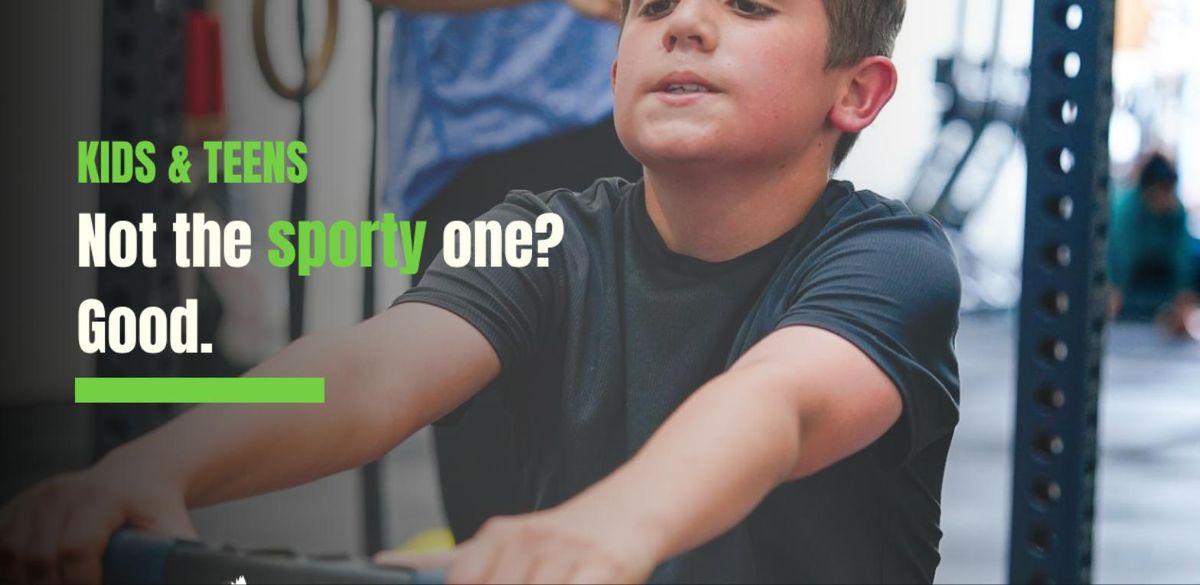
Term starts in a fortnight, and with it the annual scramble: which clubs, which nights, which one they'll actually stick with.
Team sport is excellent and I'd never argue against it. But in a team sport, a child gets a place in a group, a set of skills specific to that sport, and a competition every weekend where somebody wins and somebody loses. Often you are determined good enough or not at a very early age. If you're not good enough then, your time has passed. Development of the underlying physical qualities — strength, coordination, moving well — doesn't get much of a role at all if they're not one of the better players. The child who's third choice on the bench learns, quickly, that sport is something other children are good at.
What a coached strength and movement session gives them instead:
Competence, not selection. No team, so no team to not make. Every child works on their own progressions, measured against what they could do last month. For a child who's decided they're "not sporty," that can be the thing that changes their mind about their own body — and it's a joy to watch happen.
The physical foundation everything else sits on. A child who can squat, hinge, press, jump and land properly is a better footballer, a better swimmer, a more robust rugby player, and — much later — an adult who identifies as someone who trains. These qualities are trainable at any age and most trainable young. Athletic development doesn't compete with their sport. It underwrites it.
Confidence that transfers. Not because we tell them they're doing well — because they add five kilos to a lift they couldn't shift a month ago, they can see it on the board, and nobody gave it to them. That's evidence, and evidence is what confidence is made of. I've watched shy teenagers change how they stand in a room over a year, and it wasn't the pep talks that did it.
I'm bored of the question, is lifting safe for children? Yes — properly coached, at appropriate loads, it's one of the safest activities in youth sport, and safer than the sports we cheerfully send them to on a Saturday. Getting tackled in rugby by a 6ft, 75kg 12-year-old with a beard is infinitely higher risk. And the idea that resistance training stunts growth was discredited decades ago and persists mainly because well-meaning so-called experts keep repeating it. What matters is coaching, progression and load — exactly what an unsupervised teenager with a YouTube video watching roided-up influencers doesn't have.
Our Kids and Teens sessions run for ages 5 to 17, coached in age-appropriate groups, built around movement quality first, strength second, and competition a long way down the list.
If your child has decided they're not the sporty one, this is where that gets revisited.
Book a free trial class for your child at crossfitchiltern.com — and see what properly coached movement looks like.