Eating Out Without Starting Over — A Protein-First Way to Read Any Menu
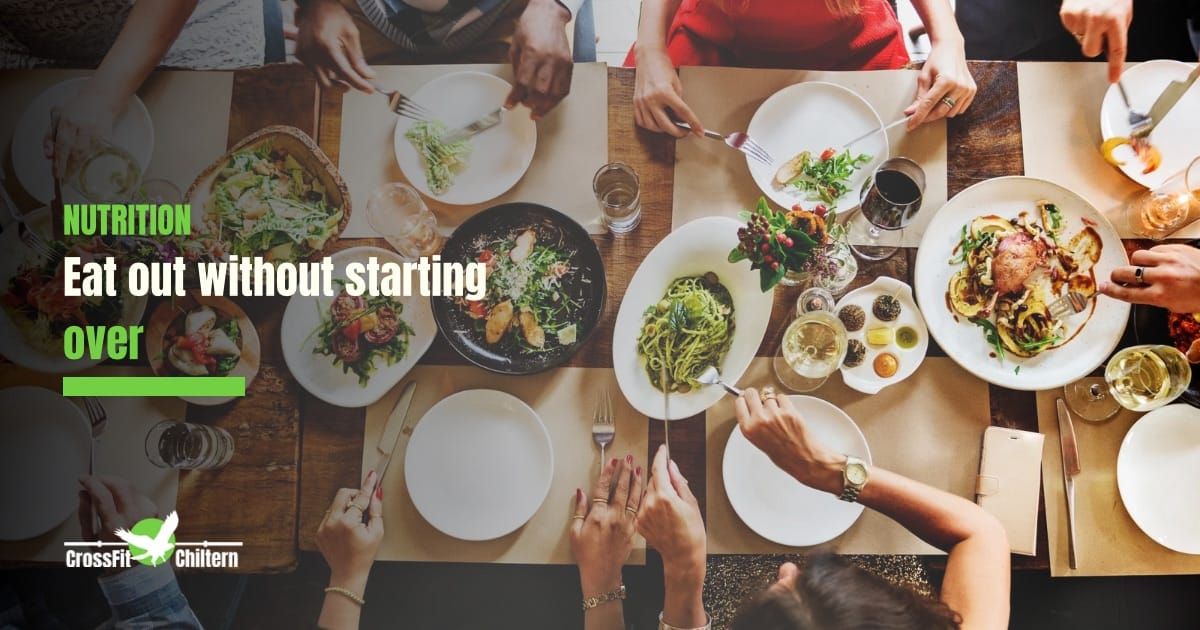
It usually happens about four days into a good run. You've been eating well, the mornings feel easier, and then there's a dinner out — a birthday, a client, a Friday with friends in town. You sit down already braced for it to undo everything, order the thing you think you "shouldn't," feel vaguely guilty by dessert, and decide you'll start again Monday. The meal didn't ruin anything. The all-or-nothing mentality did.
The reason a single dinner carries so much weight in your head is worth understanding. When you sit down properly hungry — having "saved yourself" all day for it — your body is running on a hunger signal that's been climbing for hours. Arriving in a state where you'll eat anything in front of you is the problem, and it's avoidable.
The fix is a way of reading a menu that takes about three seconds and works in a pub, a curry house or somewhere far smarter. Find the protein first. Not the carb, not the side — the protein. Steak, chicken, fish, lamb, eggs, paneer, a proper bean or lentil dish. Build the plate around that, then add whatever you actually fancy alongside it. You're not removing the chips. You're making sure the chips aren't the foundation. Protein is the most filling thing on any menu by a distance — it's the macronutrient that tells your body it's been fed and quietens the signal that keeps you reaching for more. Order it first.
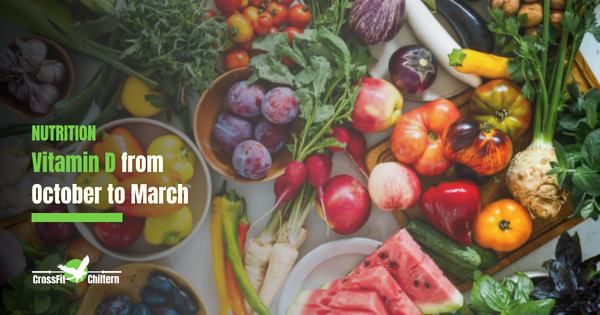
This is the same idea behind the plate method we use with members: roughly half the plate vegetables or salad, a palm or two of protein, and a portion of the carb you enjoy. In a restaurant it just means scanning for the protein, picturing that shape, and ordering toward it. A mixed grill with salad and a few chips fits it. So does a curry with a smaller rice and an extra portion of something green. So, honestly, does most of what you'd actually want to order — which is the point. You need to enjoy your social time.
The other half of it is the bit before you leave the house: don't arrive starving. A small protein-led snack in the late afternoon — a yoghurt, a few slices of cold meat, a boiled egg — flattens that climbing hunger so you turn up able to think. People hear "eat before dinner" and assume it means eating more overall. It almost always means eating less, because you're no longer at the mercy of a four-hour hunger build-up.
One dinner does not move the needle in either direction. Thirty of them, eaten on autopilot, absolutely do. The answer isn't avoiding the meal out — that's no way to live, and it isn't what we coach. What you need is to be able to enjoy it, fully, and carry on the next morning as if nothing happened. Because nothing did.
If you'd like the full version of this — food, habits and the long game in a supported, no-pressure way — our Ignite Nutrition Programme with Dr Amy George, GP, is built for exactly this kind of real life. Book a free, no-obligation 15-minute chat with Jeremy or Beth at crossfitchiltern.com.