The Deadlift — The One Lift That Shows Up Everywhere You Live
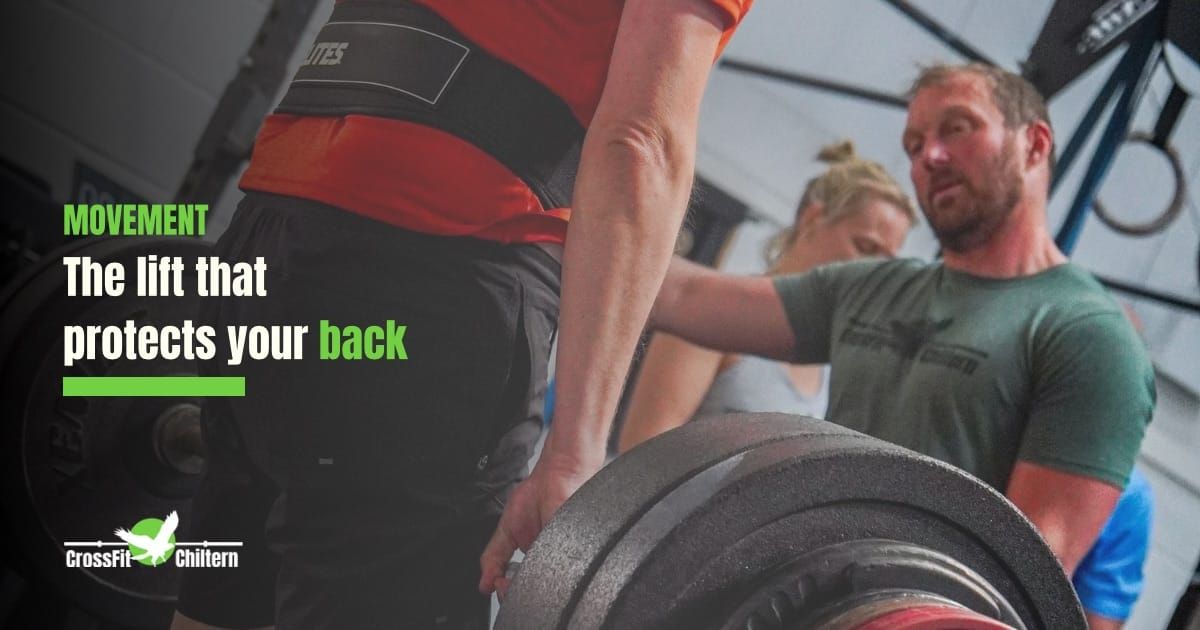
Of all the things we do in the gym, the deadlift is the one that scares people most and serves them best. Say the word and a lot of people picture a strongman with a bulging neck and an imminent hernia — something dangerous, something for the young and reckless. The truth is almost the exact reverse. The deadlift is the most useful, most everyday movement there is, and learning to do it well is one of the best things you can do for a back you'd like to keep using past sixty.
A deadlift is just picking something heavy up off the floor with good technique — hips back, flat back, drive through the legs. You already deadlift every single day: the wash basket, the shopping bags, a grandchild, the suitcase out of the boot, the bag of compost. The only question is whether you do it well or badly. The people who hurt their backs "just bending down" almost never hurt them because the object was heavy. They hurt them because they rounded over and lifted with a soft, untrained back that had never been taught or strengthened to do the job. Training the deadlift doesn't put your back at risk. It's the thing that takes it out of risk.
It matters more, not less, as you get older. The ability to pick something up off the floor without a second thought is one of the first things people lose in their later decades, and losing it is the start of a steep slide — it's why a strong, capable adult who keeps deadlifting is the one still carrying their own bags and getting off the floor unaided at eighty. You're not training for a powerlifting medal. You're training to keep a capability you use a dozen times a day and would badly miss.
And it scales to anyone. Nobody starts with a loaded barbell. You start by learning the hinge with no weight at all, then, if needed, a kettlebell from a raised box, then lower, then heavier as your technique and strength earn it. The version you do in week one and the version you do in year two are the same movement at different stages — both safe, both useful, both the deadlift. There is no level of "too unfit" or "too old" to start; there's just the right starting point, which a coach sets for you.
So if deadlifts have always lived in your head as the dangerous lift, flip it. The danger was never the lift. It comes from never training those lifting muscles the right way to build strength and resilience.
If you'd like to learn the one movement that pays off everywhere life asks you to lift, book a free, no-obligation 15-minute chat with Jeremy or Beth at crossfitchiltern.com — no hard sell, and most of us hadn't trained in years when we started.