The Community Effect: Why Belonging to Something Bigger Is a Health Intervention
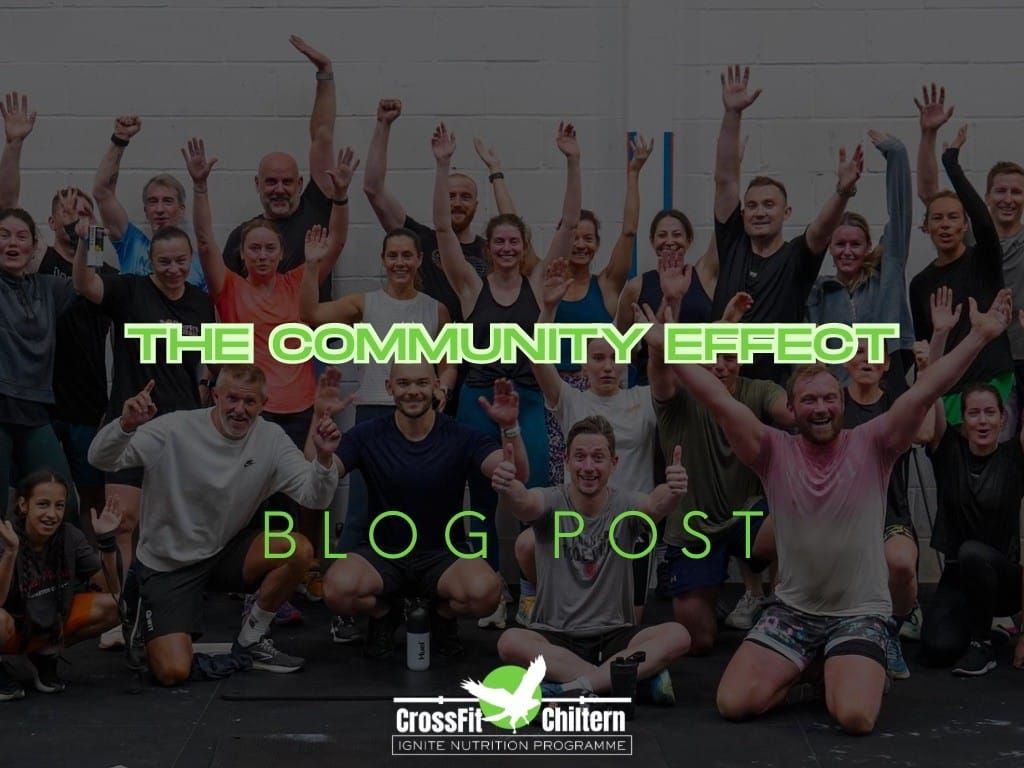
The research on loneliness is now sufficiently established that it has moved from a social concern to a clinical one. Chronic loneliness is associated with a twenty-six percent increase in all-cause mortality — a figure that has led researchers to describe it as equivalent in health impact to smoking fifteen cigarettes a day. The mechanisms are not simply psychological. Social isolation produces measurable changes in inflammatory markers, cortisol regulation, immune function, and cardiovascular health. The body, it turns out, is not designed for sustained isolation, and it responds to prolonged social disconnection in the same way it responds to other chronic stressors — with a sustained physiological stress response that accumulates damage over time.
This is the context in which the CrossFit box, functioning well, is more than a gym. It is a third place — a term coined by sociologist Ray Oldenburg to describe the social environments that exist outside home (the first place) and work (the second place), where community is built through regular, voluntary, repeated interaction with the same people over time. The pub, the church, the local sports club — historically, these were the environments in which community was maintained. For many people in modern professional life, particularly after children and career absorb the social bandwidth that once supported these connections, the third place has disappeared. The CrossFit box replaces it.
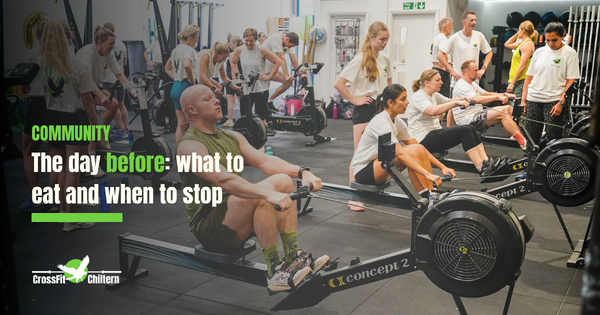
What makes the box distinctively effective as a community environment — compared to, say, a traditional gym or a running club — is the shared physical challenge. Exercise produces oxytocin — the neuropeptide associated with social bonding — and this effect is amplified when the exercise is performed alongside others. The CrossFit model of group classes, shared WODs, and visible effort creates conditions for oxytocin release that a solo treadmill session does not. The person sweating alongside you, struggling with the same movement, finishing around the same time — these shared experiences build social bonds faster and more durably than most other contexts allow in adult life.
The accountability function of community is equally well-documented. Social norms are powerful behavioural regulators — people conform to the standards of their reference group, often unconsciously. In a CrossFit box where consistent attendance, physical effort, and progressive development are the norms, these become the standards that members hold themselves to without explicit pressure. The social cost of not showing up — the missed connection, the faint awareness that the class happened without you — is a more consistent motivator than any individual goal setting.
For parents specifically, the community dimension of the box has a function that extends beyond their own health. Physical effort in community provides a visible model for children — the parent who trains with other people, who has friends at the gym, who values both physical challenge and social connection, is demonstrating something important. Research on child behaviour consistently shows that parental modelling is the most powerful predictor of children's own health behaviours. The box membership is not just a personal health intervention. It is a family one.
Belonging to something bigger than your own fitness goals is a physiological benefit. And at CrossFit Chiltern, that is by design.