Ice Baths, Saunas and Massage Guns: What Actually Helps You Recover
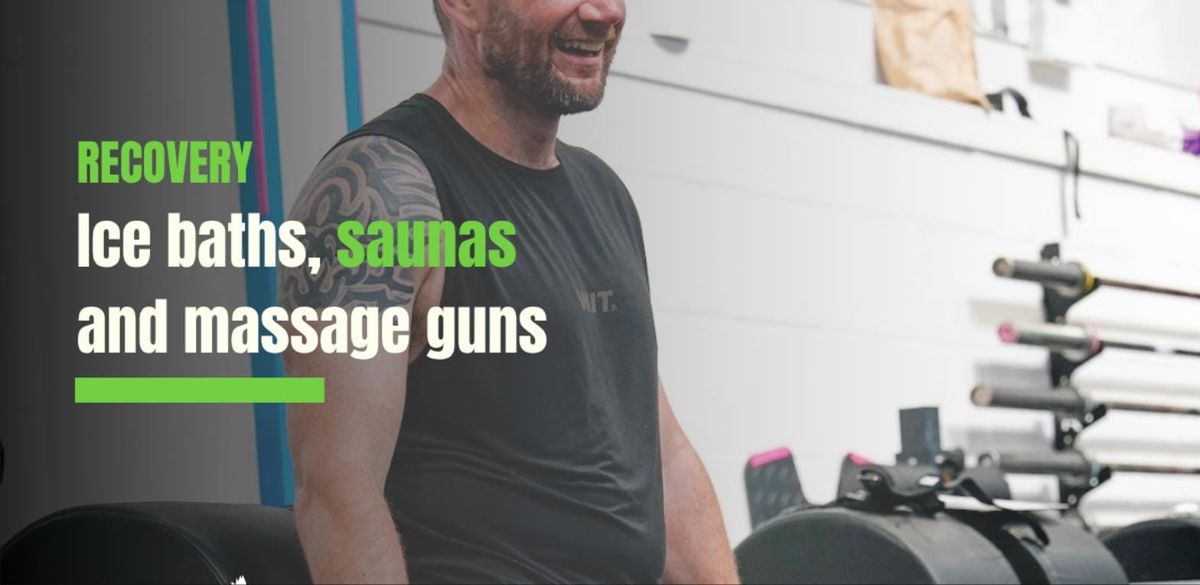
Recovery has become an industry. Ice baths in the garden, massage guns in the kit bag, compression boots, saunas, patches, powders. Almost all of it is sold on the promise that you can buy your way out of being tired.
The reality:
Sleep. Seven to nine hours. Nothing else is close, and nothing else can compensate for missing it. This is where tissue repairs and where the session you did becomes the strength you keep. If you're getting six, no amount of cold water is going to rescue it.
Food. Enough protein and enough calories. 1.6 to 2.2 grams of protein per kilo of bodyweight a day. You cannot recover from work you haven't fed.
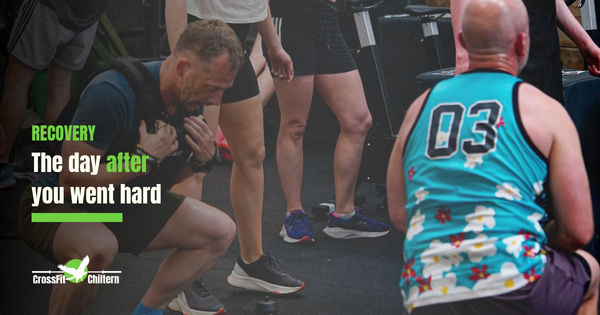
Easy movement the day after. A twenty to thirty minute walk does more for a sore set of legs than any device — blood moves through the tissue, and you feel better within the hour. Free, and almost nobody does it.
Everything below this line is optional.
Ice baths. They do reduce soreness. But regular cold immersion straight after lifting appears to blunt the strength and muscle adaptations you were training for — you're switching off the signal that tells the body to build. If you enjoy them, fine: use them on rest days or well away from your lifting sessions, not as a routine finisher.
Saunas. Pleasant, relaxing, some interesting cardiovascular research. Not a recovery essential and not a substitute for sleep.
Massage guns and foam rollers. They make you feel better for a while by changing how the area feels rather than what the tissue is. Useful as a warm-up tool or for comfort. They don't speed up repair.
Compression garments. Marginal at best. Comfortable on a long flight.
Stretching after a session. Does not prevent next-day soreness. Do it because you want the range, not because you think it's paying down a debt.
None of these are scams exactly. They're just at the bottom of a list that most people are working from upside down — buying the £400 item before they've fixed the free one.
If you're constantly sore and never recovered, the answer is usually that you're sleeping six hours, under-eating protein, and doing nothing on your rest days.
Sleep, food, a walk. Then, if you like, the toys.
If the thought of walking into a gym makes you wince, this is exactly who we built the place for. Book a free, no-obligation 15-minute chat with Jeremy or Beth at crossfitchiltern.com — no hard sell, and most of us hadn't trained in years when we started. We'll build a plan around your life, not a generic template.